Localization in the Algerian market is frequently misunderstood as a simple translation exercise. Developers often believe that by toggling a WordPress site to Arabic and installing an RTL-compatible theme, they have successfully ‘localized’ for the region. This superficial approach is why so many digital platforms fail to gain traction in North Africa. True localization is a surgical process that involves cultural context, technical infrastructure shifts, and a deep understanding of local user behavior. In this deep dive, we explore the methodology Nassim Studio uses to build for the 2026 Algerian web.
The Linguistic Trilemma: Fousha, Darja, and French
The first hurdle in any Algerian localization project is the language itself. Algeria does not operate in a monolingual vacuum. Depending on the industry—whether it’s B2B manufacturing, retail, or government services—the linguistic hierarchy shifts. Using Modern Standard Arabic (Fousha) is non-negotiable for official documentation and legal compliance, but it often feels ‘distant’ or ‘sterile’ to a shopper in Algiers or Oran. On the other hand, using pure Darja (the local dialect) can sometimes feel too informal for a high-ticket service provider.
The ‘Sovereign Developer’ knows that the secret lies in code-switching. For example, in a medical appointment system, the technical instructions (e.g., ‘Select Date’) should be in high-fidelity Arabic, while the confirmation messages or call-to-action buttons can utilize recognizable Darja phrases that build empathy and trust. Similarly, French remains the default language of commerce and engineering in many sectors. A premium site must be ‘fluidly trilingual.’ This means implementing a robust translation management system that allows for per-module language selection, ensuring that technical labels remain professional while user interface elements remain accessible.
Technical RTL Engineering: Mirrored Mental Models
When you move an LTR layout to RTL, you aren’t just ‘flipping’ the alignment; you are flipping the user’s focus. In a Right-to-Left culture, the eyes start at the top right corner. This has massive implications for your UI/UX architecture. If your ‘Register Now’ button is placed in the top-left (the default for most Western themes), it sits in the ‘blind spot’ of an Arabic-speaking user during their initial scan. At Nassim Studio, we’ve developed a CSS framework that utilizes Logical Properties to handle this seamlessly.
/* Modern RTL-ready CSS using Logical Properties */
.main-card {
    padding-inline-start: 2rem;  /* Automatically maps to padding-right in RTL */
    margin-inline-end: 1rem;    /* Automatically maps to margin-left in RTL */
    border-inline-start: 5px solid var(--nassim-emerald);
    text-align: start;
}

.hero-cta {
    float: inline-end; /* Keeps the focus where the eye naturally moves */
}
Beyond simple padding and margins, you must consider the icon set. Arrows pointing ‘forward’ must point to the left in RTL. Progressive disclosure icons (like Chevrons) must be mirrored. Failing to mirror these symbolic cues breaks the ‘suspension of disbelief’ for the user, reminding them that they are using a site built for someone else and merely ‘translated’ for them. Sovereignty in design means building for the local user as the primary citizen, not an afterthought.
Infrastructure Localization: Optimizing for the 3G/4G Reality
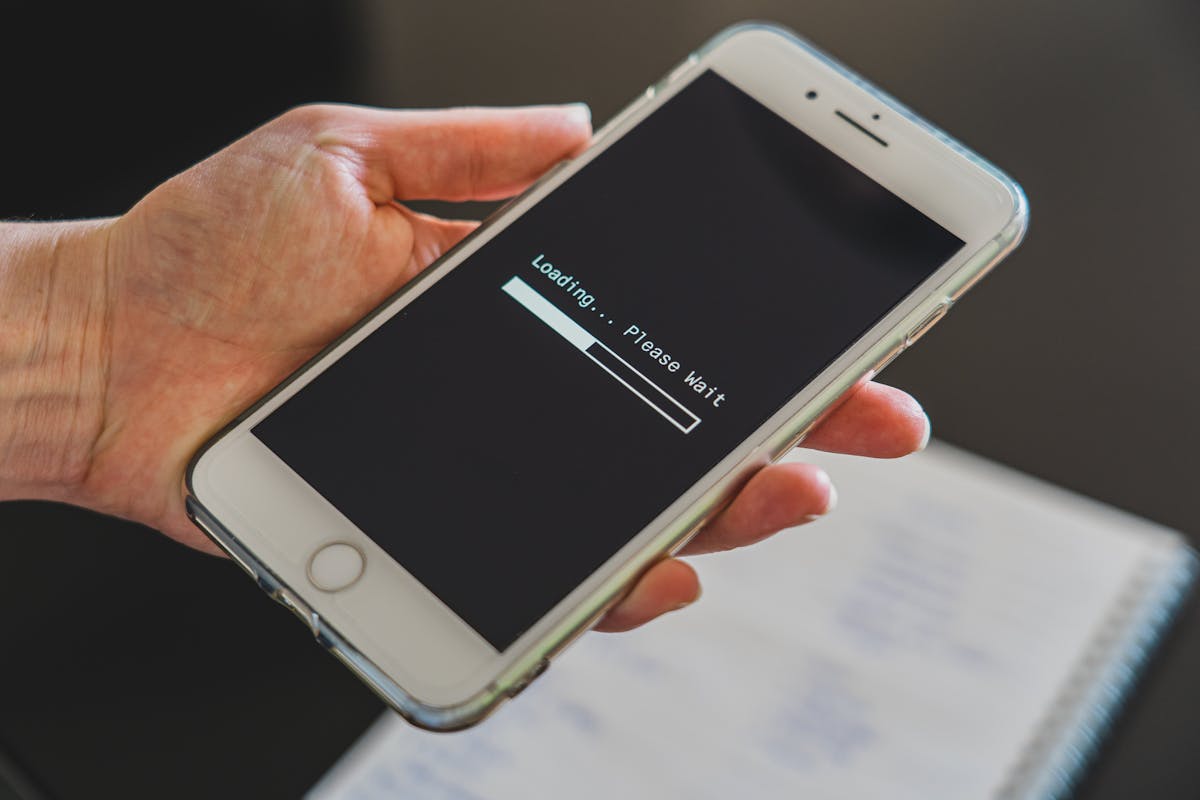
A localized site must also localize for the hardware. In major cities like Constantine, 5G is emerging, but the majority of your traffic will still come from fluctuating 4G or even 3G mobile networks. Large, unoptimized images and heavy JavaScript payloads (like those from common page builders) are the killers of conversions in Algeria. If a user has to wait more than 6 seconds for a product page to load on their mobile data, they will bounce back to Facebook or WhatsApp where the friction is lower.
Our methodology involves ‘Ruthless Performance Auditing.’ We utilize Next.js Image optimization or manual WebP conversion with strictly defined size attributes. We avoid client-side heavy frameworks where a simple Alpine.js component will do. By keeping the ‘critical path’ light—ideally under 50KB total for the core CSS and JS—we ensure that a site loads instantly even on the most constrained local networks. This technical empathy is the highest form of localization.
Psychology of Trust: The ‘Cash on Delivery’ UI
Trust (the ‘T’ in E-E-A-T) is the final piece of the localization puzzle. In the Algerian market, where digital payments are still maturing, ‘Cash on Delivery’ (COD) is king. Your checkout process must reflect this. Asking for a credit card number in the first step of a checkout form will result in a 90% abandonment rate. Instead, localize your checkout to emphasize **Phone Verification**. At Nassim Studio, we’ve found that a three-step verify-and-order process (Name -> Location -> Phone -> Confirm) results in significantly higher conversion than a traditional cart system.
Furthermore, use local currency symbols (DA or د.ج) consistently and ensure that address fields are optimized for the reality of local delivery. Many Algerian streets aren’t perfectly mapped by global APIs, so providing a ‘Pin on Map’ or a ‘Describe your landmark’ field is a premium touch that shows you understand the ground-level reality of their business. This isn’t just about ‘data entry’—it’s about removing the anxiety of the unknown.
Conclusion: The Local Edge
The Algerian developer who masters these four pillars—Linguistic Code-Switching, Technical RTL Engineering, Infrastructure Optimization, and the Psychology of Trust—holds a massive advantage over global generalist firms. Localization is the process of making the digital world feel as tangible and trustworthy as a local shop. By building for the reality of Algiers, you don’t just create a website; you create a sovereign digital headquarters for your client’s business. Stop translating and start engineering for culture.
The Local Payment Gateway Gap
A final lesson in Algerian localization is the handling of digital transaction intent. While Stripe and PayPal are often geographically locked, local startups like Eddahabia and CIB are pioneering domestic API integrations. A truly localized Sovereign Developer doesn’t just wait for global support; they build custom middleware that bridges the native WooCommerce REST API with local bank authorization hooks. This technical agility is what separates a world-class consultant from someone who just installs a plugin and hopes for the best. By offering these custom integrations, you allow your clients to move away from pure cash-based anxiety and into a structured, verifiable digital economy.
(Note: This technical documentation is part of the Nassim Studio Sovereign Developer masterclass series, updated for the 2026 technical landscape.)
The Future of Maghreb UX: Predictive Localization
In the coming years, localization will shift from static translation to dynamic, AI-driven ‘Predictive UX.’ At Nassim Studio, we are pioneering the use of local LLMs to adjust site tone and layout in real-time based on the user’s interaction patterns—whether they prefer a formal Arabic register or a more fluid, Darja-inspired shopping experience. This hyper-personalization is the final frontier of technical sovereignty, ensuring that every user feels the site was built specifically for their unique cultural and linguistic context. We are moving beyond ‘Support’ and into ‘Engineering for Empathy.’



Leave a comment
Your email address will not be published. Required fields are marked *