
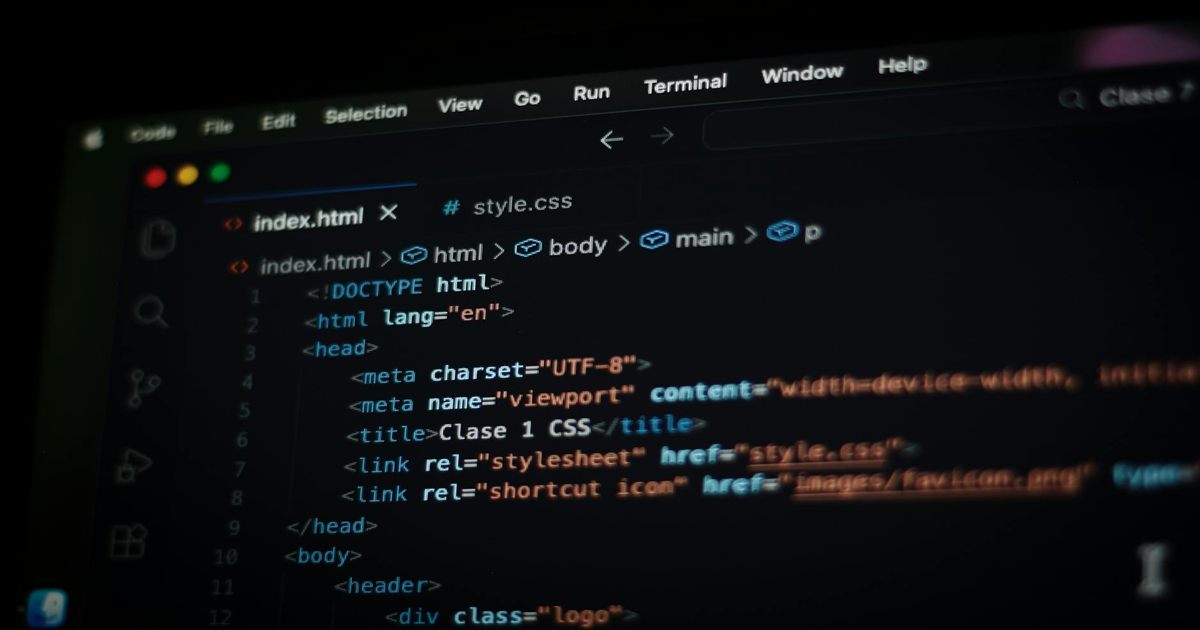
The Art of Child Theme Customization: A Deep Dive into Nassim Studio’s Architecture
Introduction
In the WordPress world, child themes are often seen as a necessary evil—a way to prevent your changes from being wiped out during an update. But for the independent developer aiming for high-fidelity technical content and AdSense revenue, a child theme is far more than a safety net. It is the architectural core of your digital identity.
At Nassim Studio, the child theme isn’t just where we store our `functions.php`; it’s where we define our entire design system, our performance optimizations, and our monetization strategy. This deep dive will explore how we’ve customized the Blocksy theme to create a minimalist, technical laboratory that is as functional as it is aesthetic.
The Core Concept: Why Customization Matters for E-E-A-T
Google’s E-E-A-T (Experience, Expertise, Authoritativeness, and Trustworthiness) guidelines place a high value on content that is clearly produced by experts. A generic, out-of-the-box theme can sometimes signal a “low-effort” site. By heavily customizing your theme to match your technical niche, you’re signaling to both users and search engines that your site is a specialized resource.
Implementation Details: The Nassim Studio Blueprint
Our child theme architecture is built on three pillars: Asset Management, Technical Enhancements, and Design Consistency.
- Asset Management: We don’t just enqueue styles; we manage them. By using Tailwind CSS and a local compilation pipeline, we ensure that only the CSS we actually use ends up in `assets/main.css`.
- Technical Enhancements: From Prism.js for syntax highlighting to Alpine.js for the Table of Contents, we inject functionality directly into the theme’s lifecycle.
- Design Consistency: We use custom image sizes to ensure every featured image is served at the perfect resolution for our layout.
// Registering custom image sizes for the Nassim Studio grid and hero layouts
function nassim_studio_setup() {
    add_theme_support('title-tag');
    add_theme_support('post-thumbnails');

    // 3:2 ratio for grid thumbnails
    add_image_size('nassim-grid-thumb', 1200, 800, true);
    // 16:10 ratio for hero images
    add_image_size('nassim-hero-thumb', 1600, 1000, true);
}
add_action('after_setup_theme', 'nassim_studio_setup');
Practical Application: Syntax Highlighting & Performance
One of the most critical elements of a technical blog is how you display code. A generic code block is hard to read and doesn’t fit the “Digital Lab” ethos. In the Nassim Studio Child Theme, we’ve integrated Prism.js with a custom autoloader. This ensures that we only load the languages needed for a specific post, keeping the page weight low.
The “Aha!” Moment: Dynamic Language Inference
Sometimes, especially when publishing via the REST API, code blocks might lack the necessary CSS classes for Prism.js to recognize the language. To solve this, we’ve implemented a small piece of inline JavaScript that infers the language based on the content of the code block.
// Dynamic language inference for Prism.js in our child theme
document.addEventListener("DOMContentLoaded", function(){
    document.querySelectorAll("pre code").forEach(function(block) {
        if (!block.className.match(/language-/)) {
            let text = block.textContent;
            let lang = "language-markup"; // Default

            if (text.includes("
Section 2: Building a "Sticky" Experience with Alpine.js
A high bounce rate is the enemy of AdSense revenue. To keep readers engaged with long-form technical content (1000+ words), we need tools that make the content accessible. In our child theme, we’ve used Alpine.js to create a Table of Contents (TOC) manager that is both lightweight and highly functional.
This isn’t just about navigation; it’s about user experience. By making it easy to jump between sections, we increase the chances that a user will stay on the page longer, which is a positive signal for AdSense.
Section 3: Best Practices & Gotchas
When customizing your child theme, keep these expert tips in mind:
- Always Check `filemtime`: When enqueuing your custom CSS, use `filemtime` for versioning. This ensures that users always get the latest version of your styles without you having to manually update version numbers.
- Avoid Excessive Custom Fields: While tempting, too many custom fields can slow down your site’s database queries. Use theme mods or simple custom meta where possible.
- The "AdSense Layout" Rule: Ensure your child theme has clear "zones" for advertisements. A common mistake is not leaving enough white space for ad units, which can lead to layout shifts and negative user feedback.
Conclusion & Actionable Takeaways
A child theme is the ultimate expression of an independent developer’s expertise. By architecting your own system for asset management, code highlighting, and user engagement, you’re creating a platform that is ready for both AdSense and high-authority technical content.
Your Action Plan: - Move your custom PHP logic from a generic "Snippets" plugin to your child theme’s `functions.php`. - Audit your code highlighting strategy. Is it slowing down your site? If so, consider the Prism.js autoloader approach. - Experiment with lightweight libraries like Alpine.js to add interactivity without the weight of larger frameworks.
The Nassim Studio Child Theme is more than just code; it’s a commitment to a better web. What will yours be?



Leave a comment
Your email address will not be published. Required fields are marked *