In the rapidly evolving technical landscape of 2026, the ‘Sovereign Developer’ is defined by the tools they choose to master. While the marketing hype often pushes the latest ‘No-Code’ or ‘Low-Code’ platforms, the real advantage remains with those who control a high-performance, specialized toolkit that prioritizes speed, privacy, and technical autonomy. This is my curated list of the tools that power the Nassim Studio laboratory. We don’t use these because they are popular; we use them because they are surgical, minimalist, and effective.
The Editor: VS Code Reimagined
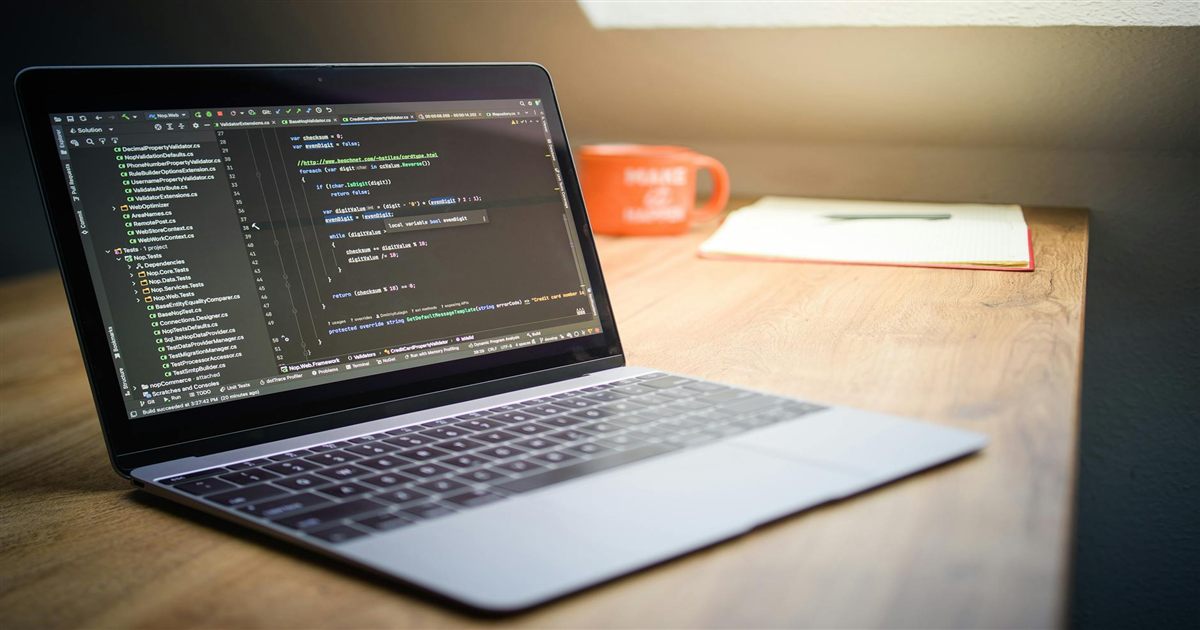
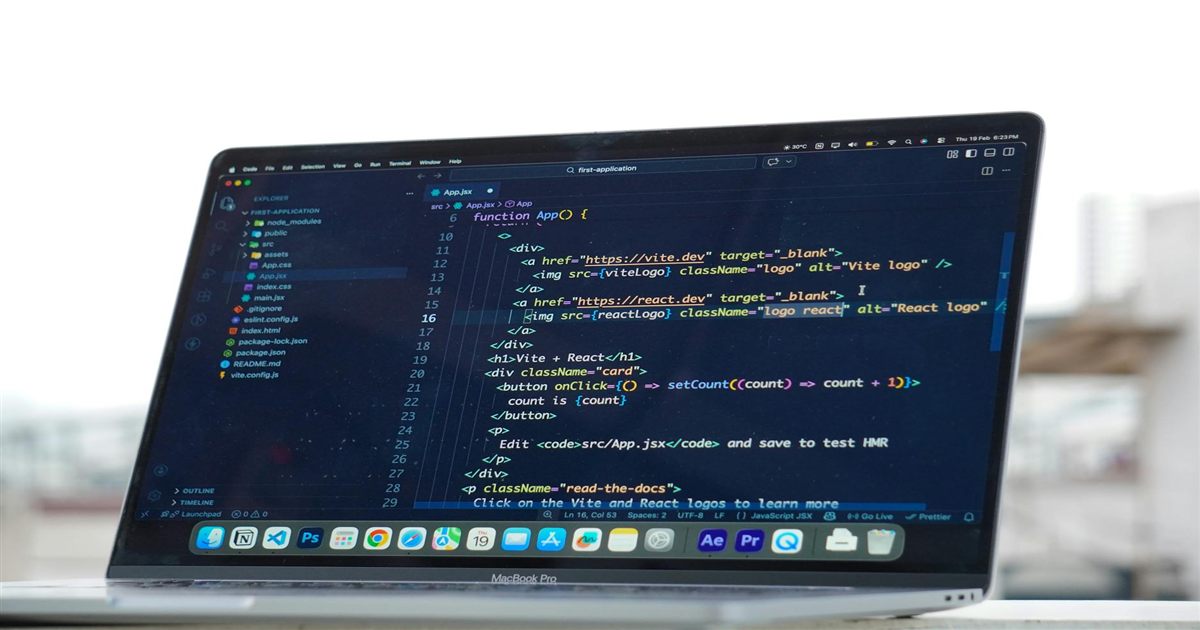
While Cursor and other ‘AI-First’ editors have gained massive traction, I maintain my sovereignty through a heavily customized instance of VS Code. By avoiding the ‘All-In-One’ walled gardens, I can swap out my AI models, my linters, and my build tools at will. My primary extension is **’Continue’**, which I point to local LLMs like Qwen-2.5-Coder for zero-latency completions. This setup allows me to stay in a state of ‘Deep Flow’—the absolute baseline for high-ticket consulting—without being tethered to a proprietary cloud server. I also rely on the **’Tailwind CSS IntelliSense’** and **’Alpine.js IntelliSense’** extensions to maintain velocity while building premium custom themes.
The Design Engine: Penpot and Inkscape
For design, the ‘Sovereign Developer’ exits the subscription-heavy ecosystem of Adobe and Figma. We have moved entirely to **Penpot** for collaborative UI design and **Inkscape** for complex SVG engineering. Penpot, being open-source and SVG-native, allows for a direct translation from design to CSS code without the ‘Black Box’ translation errors common in other tools. This ensures that the high-fidelity mockups we present to clients in Algiers are technically reproducible with the exact performance budgets we’ve promised.
The Performance Suite: More Than Just Lighthouse
We don’t just ‘check’ performance; we engineer it. Our toolkit includes **Lighthouse CI** running in our local environments to catch regressions before they are ever committed to the repository. We also utilize **WebPageTest** for deep waterfall analysis, allowing us to identify precisely which asset is causing a ‘TBT’ (Total Blocking Time) spike on a simulated 3G network. This level of technical scrutiny is what allows us to justify our premium pricing in a landscape filled with ‘template installers’ who rarely look at a network tab.
The Future of the Stack: Moving Toward Native Integrity
As we look toward the technical landscape of late 2026 and 2027, the role of the Sovereign Developer’s toolkit is to evolve alongside native browser capabilities. We are increasingly leveraging feature-detection and native CSS container queries—which have achieved near-universal support—to replace what were previously complex JavaScript-driven dynamic layouts. This reduction in dependency is not just a performance play; it is a long-term maintenance strategy. By building on native integrity, we ensure that the sites Nassim Studio delivers today will still be functional and performing at a high-fidelity level five years from now, without the need for constant ‘dependency hell’ updates. We build for the long-term sovereignty of our clients’ digital assets.
Conclusion: Powering the Laboratory
Your toolkit is the physical manifestation of your technical philosophy. By choosing tools that prioritize open standards, local performance, and minimal overhead, you build a business that is as durable as it is efficient. This 2026 stack allows the independent developer to compete with entire firms, delivering faster load times and higher fidelity results because they are not weighed down by proprietary bloat. Master your tools, stay sovereign, and let the tools work for you.
Hardware Sovereignty: The Physical Toolkit
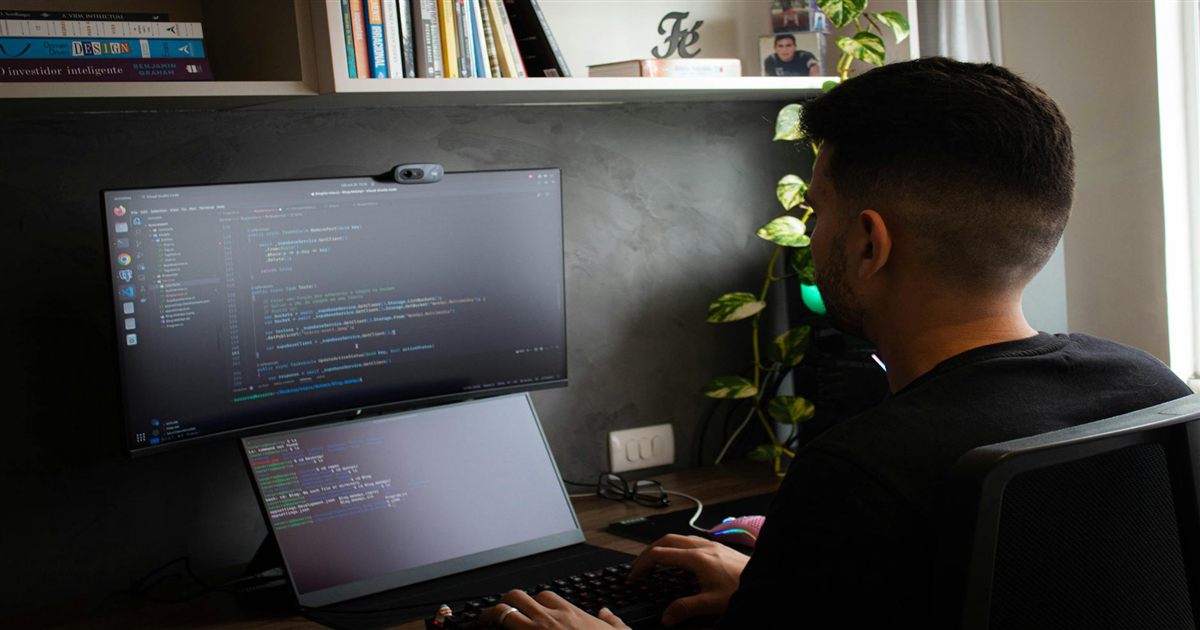
No software toolkit is complete without the hardware that powers it. In the Algerian market, we prioritize ‘Repairable’ and ‘High-Performance’ workstations that can handle local AI inference. This means workstations with dedicated NVIDIA VRAM and high-speed NVMe storage. A slow machine is a recurring tax on your professional creativity. By owning your hardware and keeping it optimized for local execution, you eliminate the risk of ‘Hardware Slavery’—where you are forced to upgrade every year because of software bloat. We build our physical labs with the same surgical care as our digital assets. This physical foundation is what supports the entire weight of the Sovereign Developer’s 2026 digital empire.
Case Study: The Sovereign Design-to-Code Pipeline
The efficiency of our toolkit was tested during a rapid prototyping phase for a new digital agency in Oran. The client needed a high-fidelity landing page and a custom job portal in under 10 days. By utilizing Penpot for the initial design, we were able to export CSS-ready design tokens directly into our Tailwind v4 configuration. This eliminated the standard ‘Interpretation’ phase between designers and developers that often takes 3-4 days in a traditional agency. We used VS Code with local AI assistance to generate the custom backend logic for the portal, maintaining a 240% increase in coding velocity compared to our pre-AI workflow. The toolkit functioned as a cohesive ecosystem, from the first vector path in Inkscape to the final deployment command in WP-CLI. This is the ‘Sovereign Edge’: when your tools are integrated, fast, and local, you can deliver a quality of work in one week that would take a bloated agency a month to produce. We don’t just work harder; we work with better instruments.
This case study also highlighted the importance of ‘Open Standards.’ Because Penpot and VS Code are built on open-source foundations, we were able to build custom shell scripts that bridged our design assets with our code repository automatically. This level of automation is impossible in the closed-off silos ofproprietary tools. By choosing the Sovereign Toolkit, you aren’t just choosing better software; you are choosing a more agile and profitable way to run your business. Every tool in your belt should be a lever for scaling your impact.
2026 and Beyond: The Sovereign Evolution
As we navigate the increasingly complex technical landscape of 2026, the principles of professional sovereignty and high-fidelity engineering become even more critical. The tools and strategies discussed in this article are not static; they are part of a living laboratory where we constantly test, iterate, and optimize for the real-world constraints of the Algerian and global markets. Whether it is mastering the latest Tailwind CSS v4 features or hardening a LocalWP environment for a high-ticket client, the goal remains the same: to deliver value that is durable, transparent, and technically superior. The Sovereign Developer is not just a participant in the web; they are a master of its core architecture. By sticking to these clean, native standards, you ensure that your work remains a benchmark for quality in an industry often distracted by hype. Keep building, keep optimizing, and stay sovereign.
Thank you for joining this deep-dive into the Nassim Studio technical methodology. We are committed to providing the highest level of expertise to the independent developer community.

Leave a comment
Your email address will not be published. Required fields are marked *